Empowering Cancer Fighters: Navigating Treatment and Thriving with Survivorship Stories
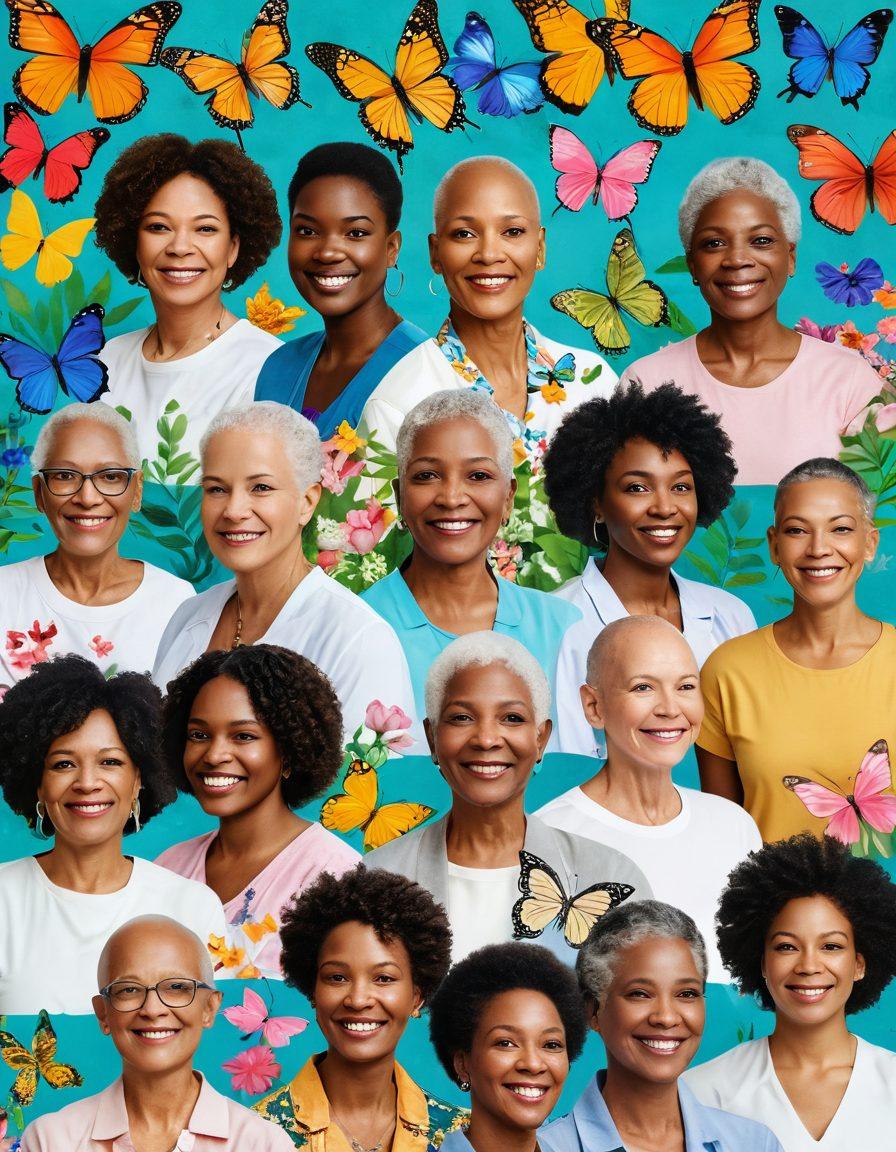
Cancer is a formidable adversary that affects millions of lives, but within its shadows, there lies a beacon of hope – the survivor. Stories of those who have survived and thrived after battling malignancies like carcinoma are not merely anecdotes; they are illuminating guides that can help others navigate the perilous waters of cancer treatment. The journey through oncology can be daunting, yet survivor stories remind us that the spirit can emerge stronger than ever. Have you ever wondered how these champions, who once faced harrowing diagnoses, transformed their battles into powerful tales of resilience?
As we delve into these survivor stories, it's crucial to understand the multifaceted approach to cancer treatment. From chemotherapy and radiation therapy to cutting-edge immunotherapy options, every survivor's journey is unique. These individuals navigated various clinical trials and innovative treatments while managing the symptoms that accompany their conditions. Their narratives reveal that amidst the chaos of medical care and healthcare processes, hope and determination can chart a path to healing. Remember, it's not just about fighting cancer; it’s about living well with it and thriving afterwards. What strategies did they implement for symptom management and palliative care, and how can these insights be beneficial to others?
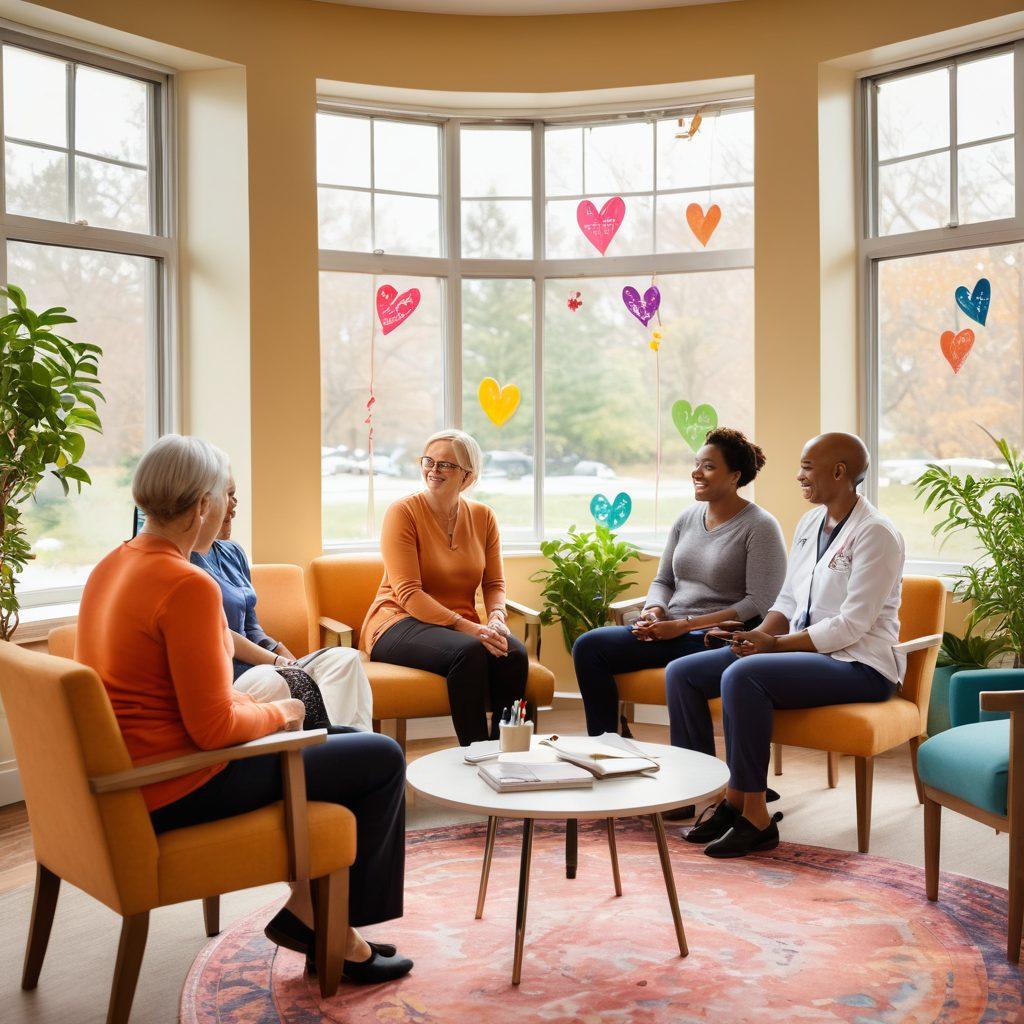
Each cancer journey offers a rich tapestry of emotions, challenges, and victories. Survivor stories are often imbued with lessons of patient advocacy and the importance of community support. Many discovered the strength in vulnerability, leaning on support groups for emotional support when the weight became too heavy to bear alone. The shared experiences within these groups foster a sense of connection that proves invaluable. Have you ever experienced a moment where a shared story provided comfort or clarity in a tough time? These connections validate feelings and empower patients to be proactive about their health.
Survivor stories not only emphasize the importance of preventive care and screenings but also highlight the holistic wellness approaches. Many survivors advocate for healthy lifestyles and nutrition for cancer patients as vital components of their rehabilitation. Adopting health tips that include alternative therapies can enrich their quality of life significantly. These champions of hope remind us that cancer awareness campaigns are essential for public awareness and education. Wouldn't it be incredible if more individuals recognized the importance of early diagnosis through these impactful survivor narratives?
Ultimately, the journey beyond cancer is one of resilience, education, and empowerment. As we discuss these profound survivor stories, it's also essential to encourage healthcare systems to provide comprehensive health resources that support patients holistically. So, as you absorb these inspiring tales, consider how you can be part of the solution. Are you ready to take charge of your health, advocate for others, and contribute to the ever-expanding narrative of survival? Embrace the journey, because thriving beyond cancer is not just for the few - it’s for everyone willing to learn from these remarkable tales.
From Diagnosis to Empowerment: Essential Insights into Navigating Cancer Treatment
Receiving a cancer diagnosis can feel like the ground beneath your feet has vanished, leaving you suspended in an uncertain and daunting reality. Yet, amidst the chaos, a glimmer of hope shines through the stories of survivors who have triumphed over their battles. Navigating cancer treatment can indeed be overwhelming, but by gaining essential insights and connecting with the right resources, you can transform your experience from one of fear to empowerment. As author and survivor Julia M. says, 'Your body can stand almost anything. It’s your mind that you have to convince.'
The journey through oncology, whether it’s facing carcinoma, malignancy, or tumor treatments, begins with understanding your diagnosis. Knowledge is empowerment, and as daunting as it may seem, getting acquainted with your specific type of cancer is vital. This means discussing screening tests, treatment options like chemotherapy, radiation therapy, or even promising advancements such as immunotherapy, and understanding the importance of clinical trials. How can you better navigate treatment? Seek out health education resources and talk to your healthcare team—don’t hesitate to ask questions.
Symptom management is a crucial component of cancer treatment and greatly impacts quality of life. Each person’s experience with cancer is unique; therefore, it’s important to communicate openly with your doctors about the side effects you may encounter. From managing fatigue to dealing with anxiety, personalized care is the ticket to a smoother journey. Andrea, a survivor, shares, 'The most valuable lesson I learned was to take one day at a time and not be afraid to lean on my support network for emotional support and practical help.' This highlights the need for community support and patient advocacy in managing your journey.
Engaging in preventive care as a cancer patient can also make a significant difference. Embracing a healthy lifestyle through balanced nutrition for cancer patients, exercise, and holistic wellness practices can strengthen your resilience. Support groups and alternative therapies often emerge as pillars of support for individuals fighting cancer. By sharing and learning from survivor stories, you can equip yourself with health tips that have been tried and tested by those who walked this path before you. As you continue this journey, how can you incorporate these learnings into your everyday life?
Lastly, it's essential to maintain an open dialogue about cancer awareness campaigns and public awareness around preventive care. The more we talk about living with cancer, the more we can foster an environment of understanding and support. Each survivor's story contributes to a narrative of hope and empowerment that can inspire others. Remember, navigating treatment is about finding the right mix of medical care, emotional support, and community engagement. Let's spread the word and ensure that the vital resources and knowledge needed to fight cancer are accessible to all. After all, in the grand tapestry of life, your story can be a beacon of hope for someone else.
Building a Supportive Community: The Role of Patient Advocacy and Emotional Wellness in the Cancer Journey
When faced with a cancer diagnosis, the world can feel overwhelmingly daunting, as if a dark cloud has settled over one’s life. But amidst this turbulence, stories of resilience and hope emerge, reminding us that we are not alone on this journey. Building a supportive community can be a powerful antidote to the loneliness that often accompanies cancer. Whether it’s through patient advocacy, emotional wellness, or powered by survivor stories, the collective strength of those affected by malignancy can forge pathways toward healing and empowerment. It’s within these shared experiences that we uncover the essential role of community support in navigating treatment effectively. How do we create this supportive environment in the realm of healthcare?
Cancer treatment can be an intimate journey involving numerous professionals, ranging from oncologists to nurses, and advocacy can significantly enhance the patient experience. Imagine participating in clinical trials, where the forefront of cancer research meets those fighting with hope. As we connect patients to resources, we also foster a sense of ownership over their health. Patient empowerment promotes informed decision-making regarding options like chemotherapy, radiation therapy, and even cutting-edge immunotherapy. The importance of screenings and preventive care shouldn't be overlooked; a proactive approach is vital in reducing the likelihood of worsenings such as carcinoma or other tumor developments. How do we encourage individuals to become fierce advocates for their own health?
Consider the metaphor of a garden. Without nurturing, seeds will struggle to grow. Similarly, cancer patients must be offered robust emotional support and advocacy. Support groups can serve as fertile soil, providing a haven for emotional sharing, coping strategies, and rebuilding self-esteem. These interactions often remind us of the innate power of shared stories—engendering hope and instilling motivation to keep fighting cancer. One survivor once said, ‘I didn’t just survive; I learned to thrive.’ This dichotomy of merely surviving versus genuinely thriving encapsulates the essence of living with cancer. How can we harness the strength within survivor stories to inspire others undergoing treatment?
Furthermore, symptom management plays a crucial role in enhancing the quality of life for cancer patients. Holistic wellness approaches, encompassing nutritional education and alternative therapies, contribute significantly to rehabilitation. They not only assist in minimizing the side effects of treatment but also empower patients to regain control over their health. As healthcare providers merge traditional medical care with complementary methods, we witness an integrative model of healing that values every aspect of a patient’s life—from body to emotional well-being. What steps can healthcare systems take to ensure these resources are accessible and known to every patient?
As we gather for public awareness initiatives and cancer awareness campaigns, the call for a united front emerges louder than ever. Let’s work collectively to channel our efforts into building a community that pours into cancer treatment, patient advocacy, and emotional wellness. By heightening health education and promoting community support, we arm individuals not just with knowledge, but with the resilience to navigate their individual journeys of fighting cancer. Through our collective strength and indomitable spirit, we can light the path to hope for those grappling with the diagnosis, ensuring no one ever has to face malignancy alone. How can you contribute to this effort today?